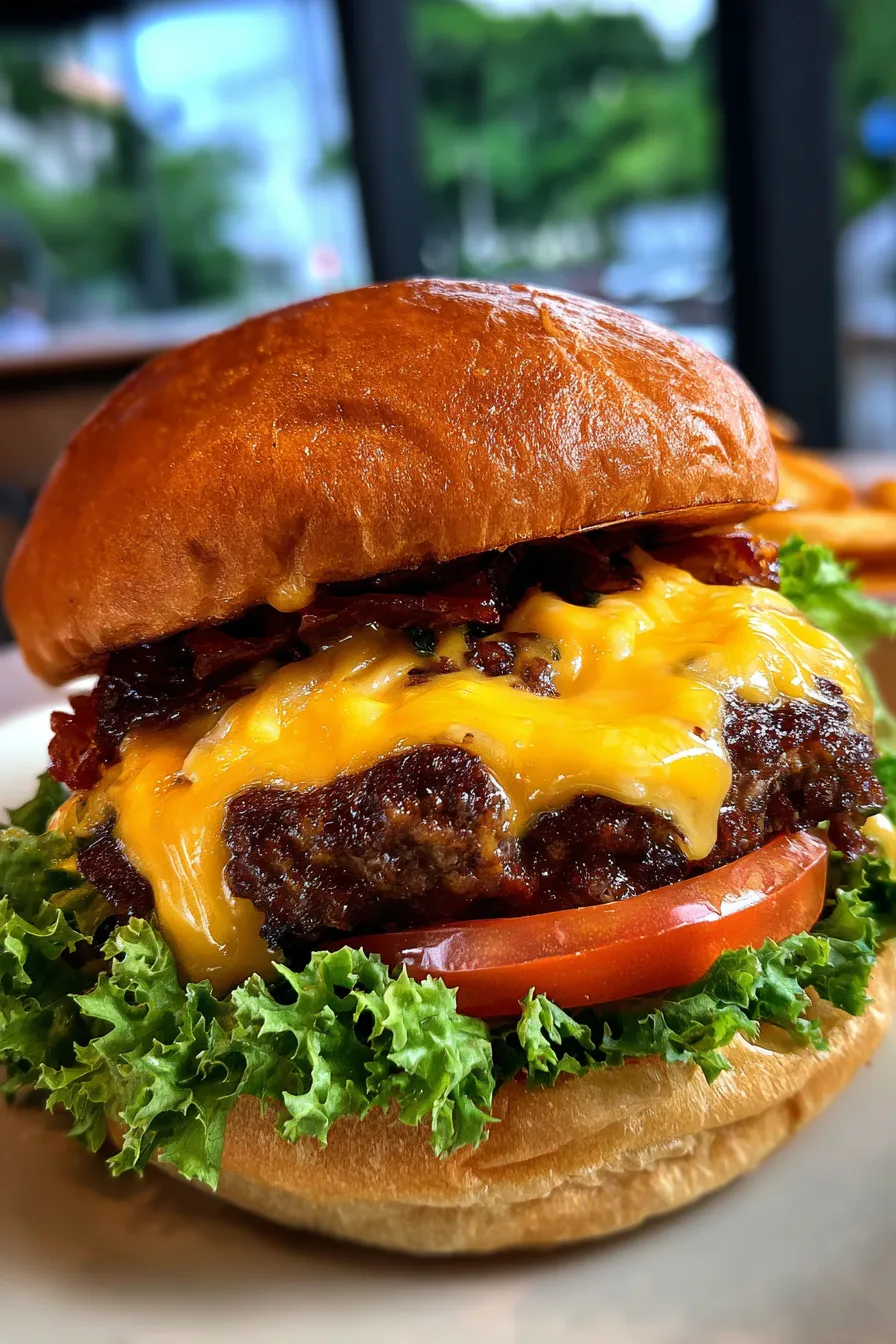
There’s nothing quite like biting into a juicy, flavorful cheeseburger. It’s a classic for a reason, perfect for a weekend barbecue, a quick weeknight dinner, or even a casual get-together with friends. The combination of savory beef, melted cheese, and fresh toppings is hard to resist. But what if you could make this beloved meal even better, not just in terms of flavor but also for your gut health? That’s where the magic of fermentation comes in.

Here, we’ll explore how to elevate your cheeseburger game with the power of fermentation. We’ll add some exciting, gut-friendly twists to this all-American favorite. We’ll show you how incorporating fermented foods can transform your burger into a delicious and health-boosting meal. Get ready to discover how simple it is to boost your gut health, one delicious bite at a time. Let’s get started on creating the ultimate cheeseburger experience!
Ready to revolutionize your burger night? Let’s dive in and learn how to make an amazing cheeseburger, packed with flavor and beneficial probiotics. You can find some inspiration for burger ideas here: Cheeseburger recipes.
Why Ferment and How to Make a Great Cheeseburger
Fermentation is a natural process that not only enhances the flavor of food but also boosts its nutritional value. Fermented foods are packed with probiotics, which are beneficial bacteria that support a healthy gut. A healthy gut is crucial for overall well-being, aiding digestion, boosting the immune system, and even impacting mental health. Adding fermented elements to your cheeseburger is a simple yet effective way to incorporate these gut-friendly benefits into your diet.
Making a great cheeseburger is all about balancing flavors and textures. The key components include a flavorful patty, melty cheese, fresh toppings, and a delicious bun. You can customize your burger with various toppings, but for a gut-healthy twist, we’ll focus on incorporating fermented ingredients. These additions not only add unique flavors but also bring a wealth of probiotics to the table. Let’s explore how to make each element of the perfect cheeseburger, with a focus on budget-friendly and easy-to-find ingredients.
For more burger inspiration, check out this search: burger recipes.
Ingredients You’ll Need
Here’s a list of ingredients to get you started on your gut-friendly cheeseburger adventure. Remember, you can adjust the quantities based on how many burgers you plan to make. Feel free to experiment with different types of cheese, meat, and toppings to find your perfect combination. You can easily make this a healthy burger recipe.
- 1 pound ground beef (or a blend of ground beef and ground turkey for a leaner option)
- Salt and black pepper to taste
- 4 burger buns (consider homemade homemade burger buns for extra flavor)
- 4 slices of cheese (cheddar, Swiss, or your favorite)
- Lettuce leaves
- Tomato slices
- Onion slices (red onion offers a nice bite)
- Fermented pickles, sliced
- Sauerkraut on burgers (store-bought or homemade)
- Lacto-fermented ketchup (optional, but adds a tangy flavor)
- Fermented relish (optional, for extra crunch and flavor)
- Homemade fermented mayo (optional, for a creamy, gut-friendly touch)
How to Make Cheeseburger
Now, let’s put it all together. Here’s a step-by-step guide to making delicious, gut-healthy cheeseburgers. We’ll focus on simplicity and flavor, ensuring that even if you’re new to fermentation, you can easily create these delicious burgers at home. These steps will easily transform your meal into a gut-friendly burger.
Step 1: Prepare the Burger Patties
In a bowl, gently mix the ground beef (or your chosen blend) with salt and pepper. Avoid overmixing, as this can make the patties tough. Form the mixture into four equally sized patties, about ¾ inch thick. Making sure each patty is of equal size will help them cook evenly. For a juicier patty, you can add a small ice cube to the center of each patty before cooking. This will melt during cooking, adding moisture.
Step 2: Cook the Burger Patties
Heat a skillet or grill over medium-high heat. Place the patties on the hot surface and cook for about 3-4 minutes per side for medium doneness, or longer depending on your preference. Be sure to use a meat thermometer to check the internal temperature. The internal temperature should reach 160°F (71°C) for safe consumption. During the last minute of cooking, top each patty with a slice of cheese to allow it to melt beautifully.
Step 3: Toast the Buns
While the patties are cooking, lightly toast the burger buns. You can do this in a toaster, on the grill, or in the same skillet used to cook the patties. Toasting the buns adds a nice texture and prevents them from becoming soggy. If you are using homemade burger buns, toasting them will enhance their flavor even more.
Step 4: Assemble the Cheeseburgers
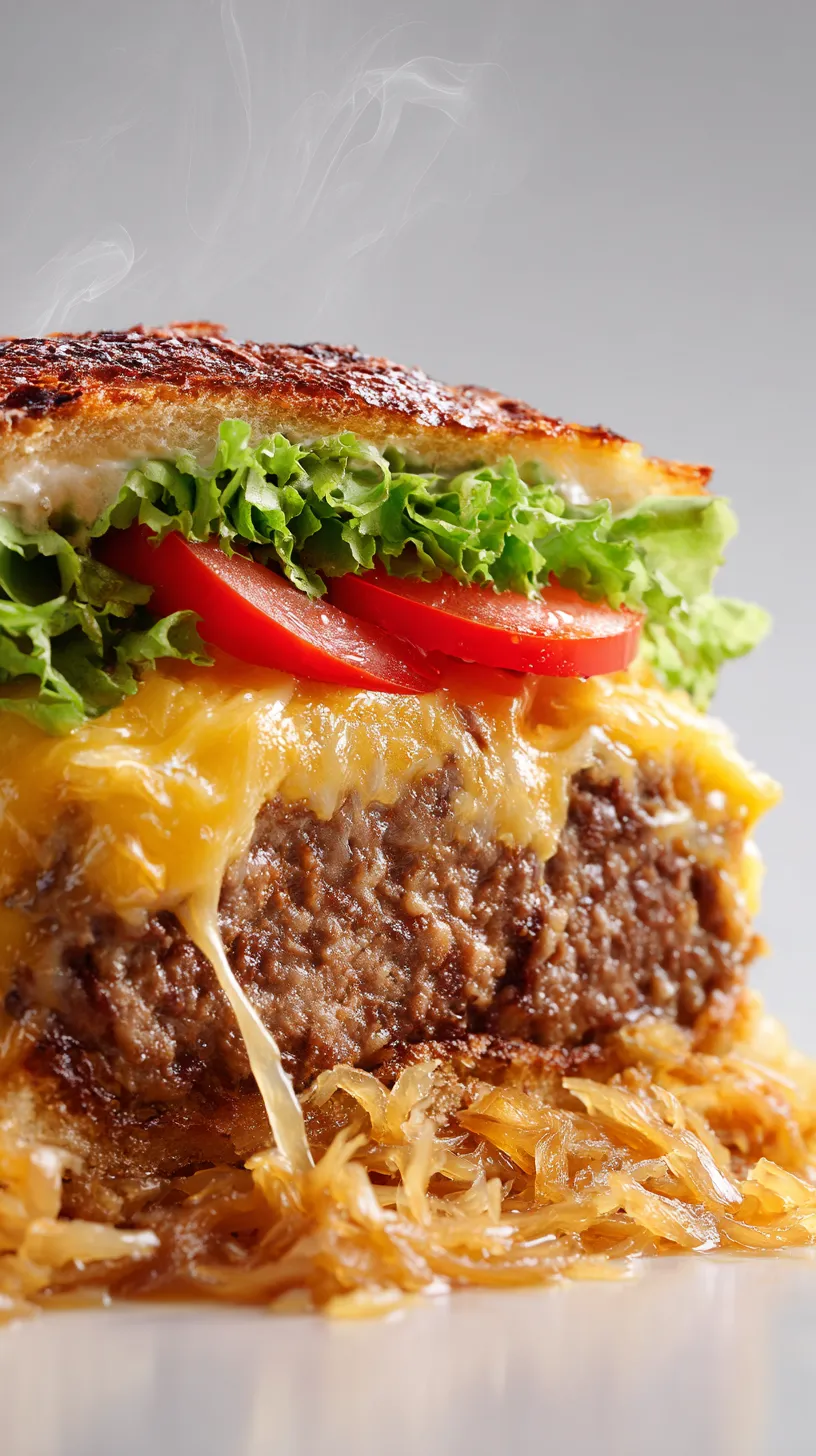
Now comes the fun part: assembling your cheeseburgers! Start by placing a patty with melted cheese on the bottom bun. Add your favorite toppings: lettuce, tomato, and onion. Pile on the fermented ingredients: fermented pickles, sauerkraut on burgers, and a dollop of lacto-fermented ketchup or fermented relish. If you have some homemade fermented mayo, spread it on the top bun for extra creaminess. Place the top bun on the burger and enjoy your gut-healthy creation!
Step 5: Serve and Enjoy
Serve your delicious cheeseburgers immediately. Consider adding some fermented food side dishes, such as a side of kimchi or a small serving of sauerkraut. These additions will further enhance the gut-healthy benefits. Enjoy your flavorful and gut-friendly meal!
Adding Fermented Foods to Your Cheeseburger
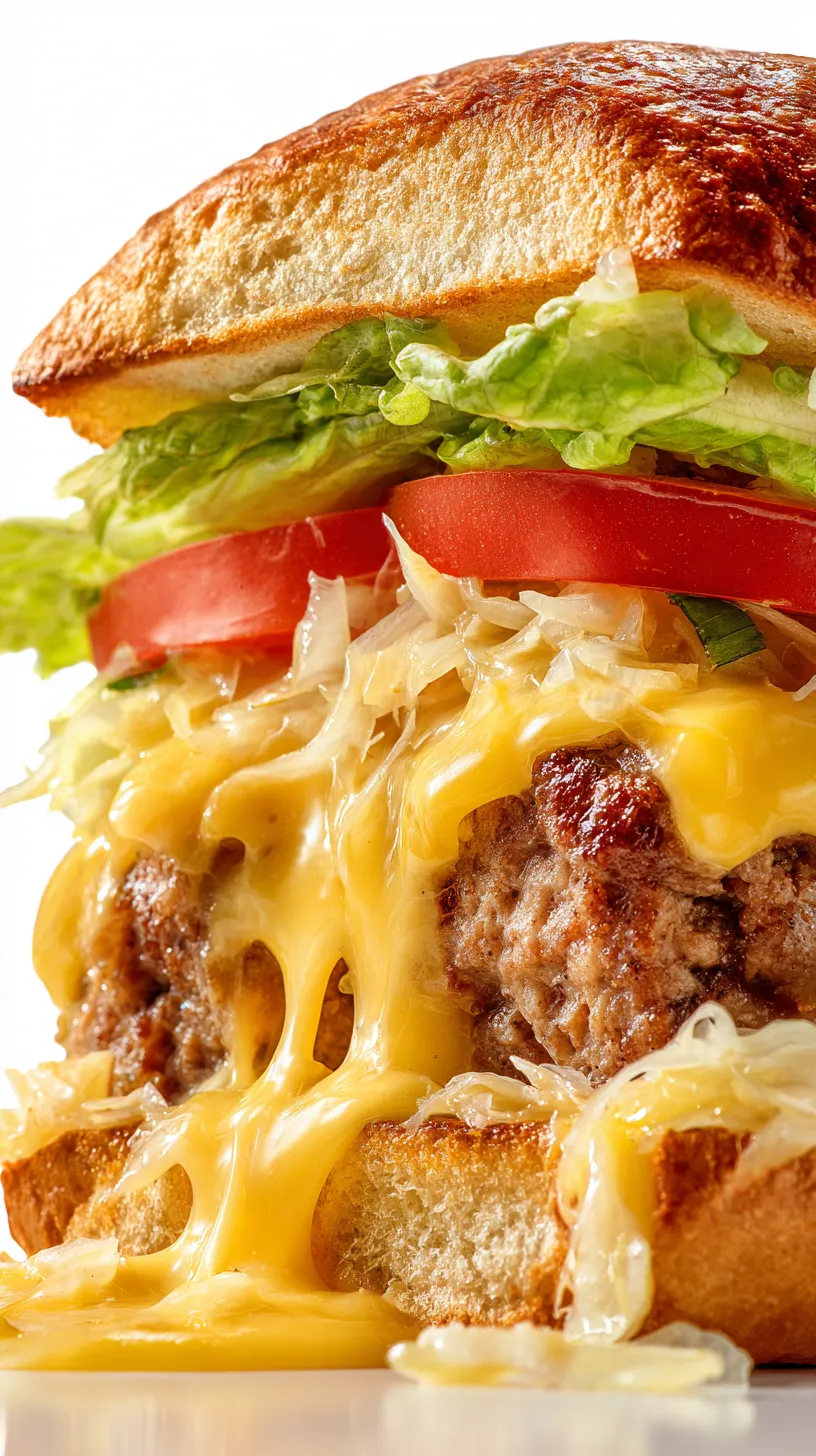
Incorporating fermented foods into your cheeseburger is where the magic happens. These ingredients not only add unique flavors and textures but also provide a powerful dose of probiotics, supporting your gut health. Let’s explore some fantastic options and how to use them effectively.
Fermented Pickles and Sauerkraut
Fermented pickles are a fantastic addition to your burger. They provide a tangy, crunchy element that complements the richness of the beef and cheese. Look for low-sodium options or make your own low-sodium pickles to control the salt content. Sauerkraut on burgers is another excellent choice. It adds a slightly sour and complex flavor, as well as a great texture. Be sure to choose unpasteurized sauerkraut to get the full probiotic benefits. It’s also an easy and budget-friendly fermentation option.
Lacto-Fermented Ketchup and Relish
Regular ketchup can be high in sugar and additives. Lacto-fermented ketchup is a healthier alternative, offering a tangy flavor and probiotic boost. You can find it at some health food stores or easily make your own. Similarly, fermented relish adds a burst of flavor and crunch. It’s a great way to add more fermented vegetables to your meal. These additions will make your burger toppings for digestion even more effective.
Kimchi and Other Fermented Vegetables
For those who enjoy a bit of heat, a kimchi cheeseburger can be a game-changer. Kimchi adds a spicy, fermented kick that elevates the burger to a new level. You may also like a kimchi burger recipe. You can also experiment with other fermented vegetables, such as fermented carrots or beets. These will add unique flavors and textures to your burger. These are all examples of a burger with fermented vegetables.
Tips for Budget-Friendly Fermentation
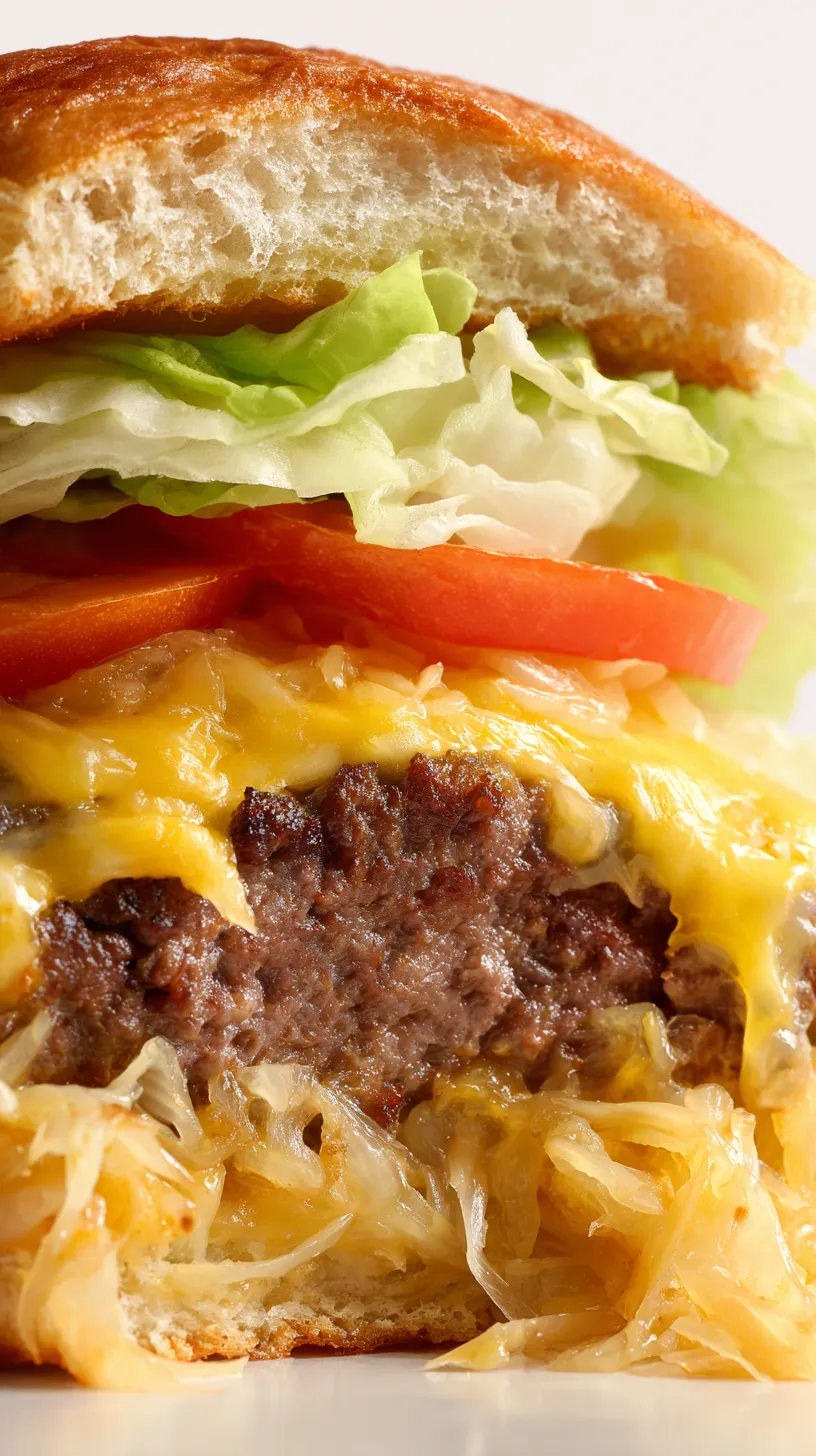
One of the best things about fermentation is that it’s often incredibly budget-friendly. You can save money by making your own fermented foods at home. Here are some tips to get you started and keep costs down.
Start Simple
Begin with easy ferments like fermented pickles or sauerkraut. These require minimal equipment and ingredients. You can often use jars you already have in your kitchen.
Use Seasonal Produce
Buy vegetables when they are in season and on sale. This is the most cost-effective way to get fresh produce. Farmers’ markets are a great place to find affordable, seasonal ingredients.
Repurpose Jars
Don’t buy expensive fermentation kits. Use clean glass jars (like mason jars) that you already have. This will save you a lot of money and is just as effective.
Join a Fermentation Group
Connect with other home fermenters online or in your community. You can share tips, recipes, and even trade fermented goods. This is a great way to learn new techniques and try different ferments without spending a lot of money. You can even find some inspiration for other quick dinners like New Orleans Mac and Cheese.
Elevating Everyday Meals with Fermented Foods
Fermented foods aren’t just for cheeseburgers. They can be incorporated into many of your everyday meals to boost flavor and gut health. Here are some ideas to get you started.
Breakfast
Add a spoonful of sauerkraut or kimchi to your morning eggs or omelet. Mix some fermented relish into your breakfast sandwich. These are great ways to start your day with a probiotic boost.
Lunch
Top your salads with fermented pickles or a dollop of homemade fermented mayo. Add sauerkraut to your sandwiches. These additions can make your lunch more flavorful and more gut-friendly.
Dinner
Serve sauerkraut or kimchi as a side dish with any meal. Use lacto-fermented ketchup or fermented relish to enhance the flavor of your entrees. You can even add some kimchi to your stir-fries or stews for a spicy and probiotic boost. You can even add a sweet treat to your menu with a recipe for Brownie Bark.
Snacks
Enjoy fermented pickles or olives as a snack. Make a dip with homemade fermented mayo and serve it with vegetable sticks. These are easy and healthy ways to incorporate fermented foods into your daily diet. Consider these options for a boost to your burger and gut health.
Burger and Gut Health: The Benefits
Incorporating fermented foods into your diet is a simple yet powerful way to support your gut health. The probiotics in fermented foods help to balance the gut microbiome, which is essential for overall health. A healthy gut is linked to improved digestion, a stronger immune system, and even better mental health. Adding gut-healthy burger toppings can make a big difference.
By making a probiotic burger, you’re not just enjoying a delicious meal; you’re actively supporting your well-being. The benefits of fermented foods extend beyond gut health. They can also improve nutrient absorption, reduce inflammation, and even boost your energy levels. This makes the cheeseburger a flavorful and health-conscious choice, a delicious way to support your body’s natural defenses and overall vitality. If you are looking for a healthy burger recipe, this is the way to go.
You can also use these tips when looking for a sauerkraut burger.
Frequently Asked Questions
Here are some common questions about making cheeseburgers with fermented foods.
Can I use any type of cheese?
Yes, you can use any cheese you enjoy! Cheddar, Swiss, provolone, and pepper jack are all great choices. The key is to choose a cheese that melts well and complements the other flavors of your burger. Experiment to find your favorite combination. Try adding some fermented relish.
How long will homemade fermented foods last?
Properly fermented foods can last for several months in the refrigerator. The fermentation process itself acts as a natural preservative. Always use clean utensils when serving to prevent contamination. Look for a kimchi burger recipe.
Where can I find fermented foods?
You can find fermented foods at most health food stores, specialty grocery stores, and even some regular supermarkets. You can also make your own at home, which is often more affordable and allows you to control the ingredients. Consider making your own homemade fermented mayo.
Are there any flavor combinations for burgers?
Absolutely! The options are endless. Try a kimchi cheeseburger for a spicy kick, or add some fermented pickles and sauerkraut on burgers for a classic combination. Experiment with different types of cheese, sauces, and toppings to find your perfect flavor profile. You can also experiment with a burger with fermented vegetables.
What are some good burger toppings for digestion?
The best toppings for digestion are fermented vegetables like fermented pickles, sauerkraut, and kimchi. These foods are packed with probiotics that support gut health. Fresh vegetables like lettuce and tomatoes are also good choices. Adding these toppings will boost your gut-friendly burger.
By incorporating fermented foods into your cheeseburger and other meals, you can enjoy a delicious and health-boosting dining experience. So, fire up the grill, gather your ingredients, and get ready to create the ultimate gut-healthy cheeseburger. It’s time to enjoy the simple pleasure of a classic meal, made even better with the power of fermentation. If you enjoy this recipe, you might also like the Lemon Pepper Chicken.


Cheeseburger with Homemade Sauerkraut: A Gut-Healthy Twist Recipe
- Total Time: PT30M
- Yield: 4 servings 1x
- Diet: Can be adapted for various diets
Description
Elevate your classic cheeseburger with a gut-friendly twist! This recipe incorporates fermented foods for added probiotics and a delicious, tangy flavor that complements the savory burger. It’s a simple way to boost your gut health while enjoying a beloved comfort food.
Ingredients
- 1 lb ground beef (or your preferred ground meat)
- 1 tsp salt
- 1/2 tsp black pepper
- 4 burger buns
- 4 slices cheddar cheese (or your favorite cheese)
- 1/4 cup fermented pickles, sliced
- 1/4 cup fermented sauerkraut, drained
- Optional toppings: lettuce, tomato, onion
- 1 tbsp olive oil (for cooking)
Instructions
- In a bowl, gently mix the ground beef, salt, and pepper. Be careful not to overmix.
- Divide the meat mixture into 4 equal portions and shape them into patties.
- Heat the olive oil in a skillet over medium-high heat.
- Cook the patties for about 3-4 minutes per side, or until they reach your desired level of doneness.
- During the last minute of cooking, place a slice of cheese on each patty to melt.
- Toast the burger buns if desired.
- Assemble the burgers: Place a patty with cheese on the bottom bun. Top with fermented pickles, sauerkraut, and any other desired toppings.
- Enjoy your gut-healthy cheeseburger!
Notes
- Feel free to experiment with different types of fermented foods. Kimchi, or even a spicy fermented relish, can add a unique flavor.
- For a vegetarian option, substitute the ground beef with a plant-based patty.
- To make this even more budget-friendly, consider making your own sauerkraut or pickles.
- Prep Time: PT15M
- Cook Time: PT15M
- Category: Main Course
- Method: Skillet
- Cuisine: American
Nutrition
- Serving Size: 1 burger
- Calories: 450
- Sugar: 5g
- Sodium: 700mg
- Fat: 25g
- Protein: 30g