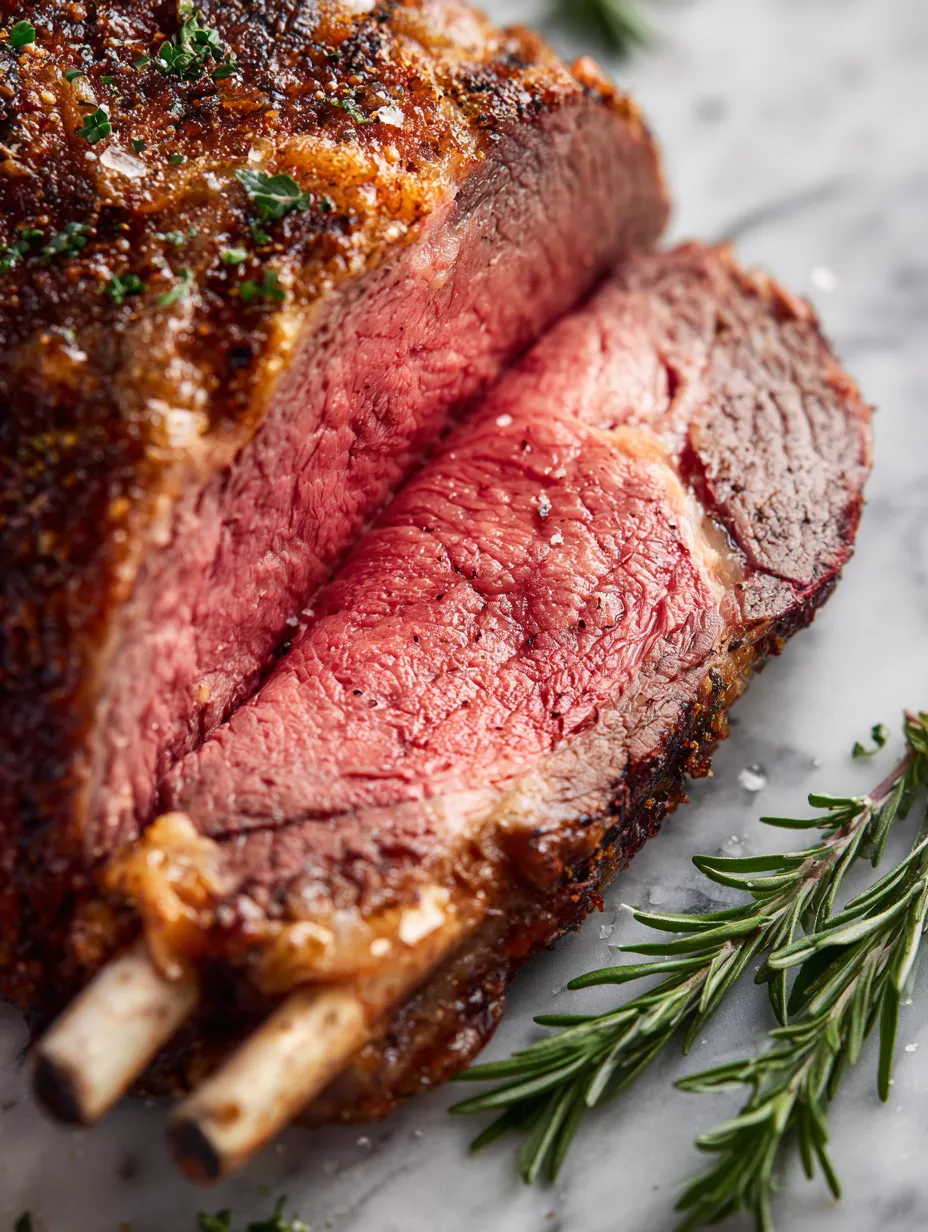
There’s something undeniably special about a perfectly cooked prime rib. It’s the centerpiece of a celebratory meal, a holiday feast, or even a cozy weekend dinner. The aroma alone is enough to make your mouth water, and the tender, juicy meat is pure comfort food. This guide will walk you through everything you need to know to make a show-stopping prime rib at home, with confidence and ease.
Whether you’re a seasoned cook or a beginner in the kitchen, this recipe is designed to help you achieve prime rib perfection. We’ll cover everything from selecting the right cut of meat to the final, delicious slice. Get ready to impress your family and friends with a truly memorable meal!
WHY YOU’LL LOVE the Prime Rib
Why You’ll Adore This Prime Rib Recipe
This prime rib recipe is a guaranteed crowd-pleaser. The method ensures a perfectly cooked roast every time, with a beautifully seared crust and a tender, juicy interior. It’s surprisingly easy to make, even for a special occasion. The detailed instructions and helpful tips take the guesswork out of the process, making it a stress-free experience. Plus, the impressive presentation will make you feel like a culinary superstar!
Ingredients You’ll Need for the Prime Rib
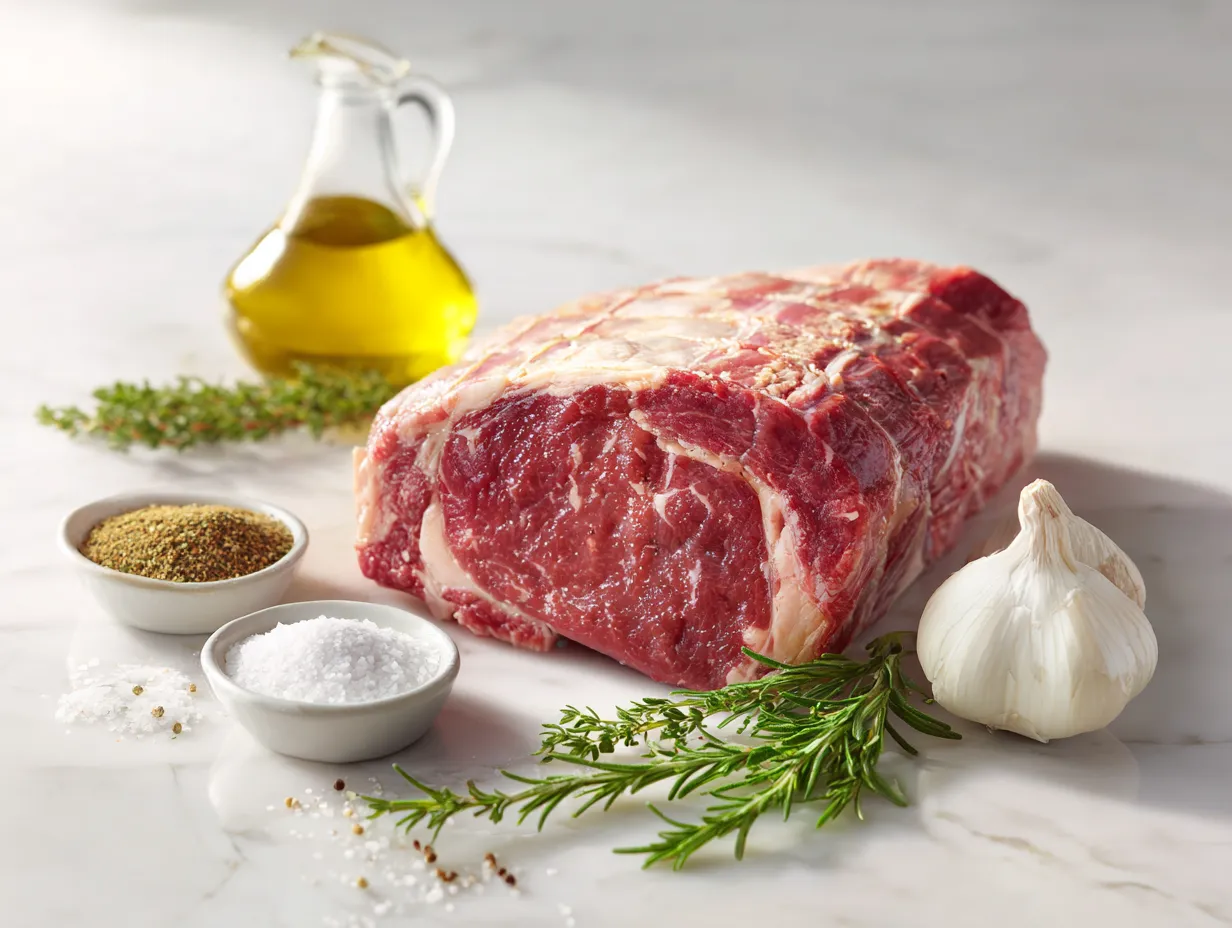
The beauty of prime rib lies in its simplicity. You don’t need a pantry full of exotic ingredients to create something truly spectacular. With just a few high-quality components, you can transform a beautiful cut of beef into an unforgettable meal.
Ingredients:
Another favorite of ours is the Viral Honey Butter Toast 4 Ingredients.
Here’s what you’ll need to make a delicious prime rib roast. Remember, the quality of your ingredients directly impacts the final flavor, so choose wisely!
- Prime Rib Roast: Choose a bone-in or boneless rib roast, depending on your preference. A bone-in roast often has more flavor, but a boneless roast is easier to carve. Aim for about one pound of meat per person.
- Kosher Salt: Essential for seasoning the meat and drawing out moisture, which helps create a perfect crust.
- Black Pepper: Freshly ground black pepper adds a classic, savory touch.
- Garlic Powder: Adds a subtle garlicky flavor that complements the beef beautifully.
- Dried Thyme: Provides an earthy, aromatic note. Rosemary is a good substitute.
- Olive Oil: Used to help the seasonings adhere to the roast and to aid in browning.
- Optional: You can add other herbs and spices, such as onion powder, dried rosemary, or even a touch of smoked paprika, to customize the flavor.
How to Make Prime Rib
Making a perfect prime rib might seem intimidating, but with the right approach, it’s a straightforward process. This recipe uses a simple, yet effective method to ensure a flavorful, tender, and beautifully cooked roast. Follow these steps, and you’ll be well on your way to a culinary masterpiece. Remember, patience is key!
Step 1: Prepare the Roast
Remove the prime rib from the refrigerator at least 2-3 hours before cooking. Pat the roast dry with paper towels. This helps achieve a better crust. Generously season the entire roast with kosher salt, black pepper, garlic powder, and thyme. Drizzle with olive oil and rub it all over.
Step 2: Sear the Roast
Preheat your oven to a high temperature, around 450°F (232°C). Place the seasoned roast in a roasting pan. Sear the roast for 15 minutes to create a flavorful crust. This step is crucial for locking in juices and developing a rich, savory flavor that will make your prime rib unforgettable.
Don’t miss out on our guide to Viral Japanese Cream Sandwiches Tokyo.
Step 3: Reduce the Heat and Roast
After searing, reduce the oven temperature to 275°F (135°C). Continue roasting the prime rib until it reaches your desired internal temperature. Use a meat thermometer to ensure accuracy. This slower cooking method ensures even cooking and prevents overcooking.
Step 4: Check for Doneness
Use a meat thermometer to check the internal temperature of the roast. For rare, aim for 125-130°F (52-54°C). For medium-rare, aim for 130-135°F (54-57°C). For medium, aim for 135-140°F (57-60°C). Remember that the temperature will continue to rise slightly as the roast rests.
Step 5: Rest and Carve
Remove the prime rib from the oven and let it rest for at least 20-30 minutes before carving. This allows the juices to redistribute, resulting in a more tender and flavorful roast. Carve against the grain for the most tender slices. Serve immediately and enjoy!
Recommended Tools & Equipment for Prime Rib
Having the right tools can make the cooking process much easier and more enjoyable. These are the essential items you’ll need to prepare a perfect prime rib. Investing in quality equipment will ensure your success and make you feel like a pro in the kitchen.
See also: minimalistbaker.
- Roasting Pan: A large, sturdy roasting pan is essential for holding the prime rib and catching the flavorful drippings.
- Meat Thermometer: A reliable meat thermometer is crucial for accurately measuring the internal temperature of the roast.
- Chef’s Knife: A sharp chef’s knife is needed for carving the prime rib.
- Cutting Board: A large cutting board provides a stable surface for carving.
- Aluminum Foil: For tenting the roast while resting.
- Meat Racks: A meat rack will elevate the prime rib inside the roasting pan.
PRO TIPS for Prime Rib
Expert Tips for Prime Rib Perfection
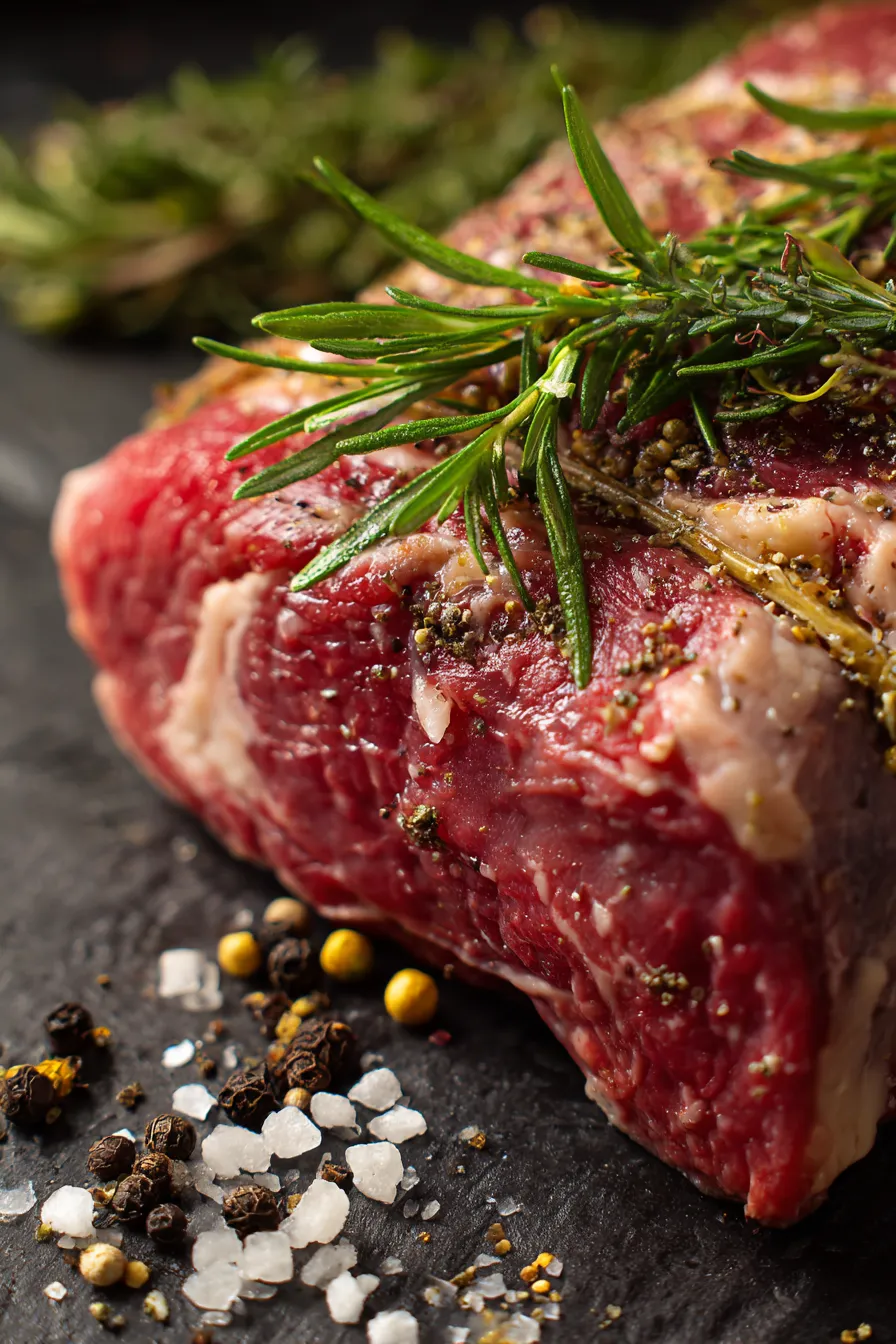
For the best results, always start with a high-quality cut of meat and let it come to room temperature before cooking. Use a reliable meat thermometer for accurate temperature readings. Don’t skip the resting period, as this is crucial for a tender and juicy roast. Finally, don’t be afraid to experiment with different seasonings to create your own signature flavor profile.
Variations & Serving Ideas
While this recipe provides a classic approach to prime rib, there are many ways to customize it to your liking. Get creative with your seasonings, side dishes, and presentation to make it your own! Here are a few ideas to inspire you.
- Herb-Crusted Prime Rib: Add fresh herbs like rosemary, thyme, and sage to your seasoning blend for a more complex flavor.
- Au Jus: Use the pan drippings to make a rich au jus sauce to serve alongside the prime rib.
- Side Dishes: Serve your prime rib with classic sides like roasted potatoes, Yorkshire pudding, creamed spinach, or a crisp green salad.
- Wine Pairing: A full-bodied red wine like Cabernet Sauvignon or Merlot complements prime rib beautifully.
Storage & Reheating
If you have any prime rib leftovers (lucky you!), proper storage and reheating are key to preserving its deliciousness. Here’s how to ensure your leftovers stay tasty and safe to eat. Remember, you can enjoy these leftovers for a few days after the initial cooking.
Final Thoughts

Making prime rib is a rewarding experience, and with this recipe, you’re well-equipped to create a truly memorable meal. Don’t be intimidated by the process; embrace the joy of cooking and the satisfaction of sharing a delicious meal with loved ones. Now, go forth and create a prime rib masterpiece! Happy cooking!
You might also be interested in this related resource: seriouseats.
FAQs About Prime Rib
What is the best cut of meat for prime rib?
The best cut is a rib roast, which can be bone-in or boneless. The ribeye section is known for its marbling, which contributes to its flavor and tenderness. Choose a roast with good marbling for the best results.
How important is it to let the prime rib rest?
Resting is crucial! It allows the internal temperature to even out and the juices to redistribute throughout the meat, resulting in a more tender and flavorful roast. Don’t skip this step!
Can I make prime rib ahead of time?
Yes, you can partially cook the prime rib, then finish cooking it later. Sear the roast and then cook it at a lower temperature until it’s almost done. Let it cool completely, then refrigerate. Before serving, finish cooking it in the oven.
What is the difference between prime rib and ribeye?
Prime rib is the entire rib roast, while ribeye is a cut from the rib roast. Prime rib can be cooked as a whole roast, while ribeye steaks are individual cuts. Both are known for their tenderness and flavor.
What temperature should I cook prime rib to?
The internal temperature depends on your preferred level of doneness. For rare, aim for 125-130°F (52-54°C). For medium-rare, aim for 130-135°F (54-57°C). Use a meat thermometer to ensure accuracy.
Print
Prime Rib with buttery herbs and a satisfying meal prep win
- Total Time: 2 hours 20 minutes - 3 hours 20 minutes
- Yield: 6-8 servings 1x
Description
This recipe guides you through preparing a perfectly cooked prime rib roast, ideal for a special occasion. Learn how to achieve a flavorful crust and a tender, juicy interior.
Ingredients
- 1 (5-7 pound) prime rib roast, bone-in or boneless
- 2 tablespoons olive oil
- 2 tablespoons kosher salt
- 1 tablespoon black pepper, freshly ground
- 1 tablespoon dried rosemary
- 1 tablespoon dried thyme
- 1 tablespoon garlic powder
- 1 teaspoon onion powder
Instructions
- Prepare the Roast: Remove the prime rib roast from the refrigerator 2-3 hours before cooking to allow it to come to room temperature. This helps it cook more evenly.
- Season the Roast: In a small bowl, combine the salt, pepper, rosemary, thyme, garlic powder, and onion powder. Rub the olive oil all over the roast, then generously coat it with the spice mixture, pressing to adhere.
- Sear the Roast (Optional, but recommended): Preheat oven to 450°F (232°C). Place the seasoned roast in a roasting pan, fat-side up. Sear for 15 minutes, then reduce the oven temperature to 325°F (163°C).
- Roast to Desired Doneness: Roast the prime rib according to your desired level of doneness. Use a meat thermometer for accuracy. Aim for:
- Rare: 125-130°F (52-54°C)
- Medium-Rare: 130-135°F (54-57°C)
- Medium: 135-140°F (57-60°C)
- Rest the Roast: Once the roast reaches the desired internal temperature, remove it from the oven and let it rest, tented with foil, for at least 20 minutes before carving. This allows the juices to redistribute, resulting in a more tender roast.
- Carve and Serve: Carve the prime rib against the grain and serve immediately.
Notes
- For a richer flavor, you can add a sprig of fresh rosemary and thyme to the roasting pan.
- If you don’t have a meat thermometer, you can use the ‘touch test’ to gauge doneness. Rare will feel very soft, medium-rare will be slightly soft, and medium will be firm.
- Leftover prime rib is delicious in sandwiches or salads.
- Prep Time: 20 minutes
- Cook Time: 2-3 hours
- Category: Main Course
- Method: Roasting
- Cuisine: American
Nutrition
- Serving Size: 4oz
- Calories: 450
- Fat: 30g
- Protein: 40g